
Cambodia is changing. People are living longer, cities are growing, and families are more spread out than ever before. But as the country modernises, one quiet challenge is growing in homes across the country: who will care for our elderly parents?
The Old Ways Are Being Stretched
In Cambodian culture, caring for parents is a deeply held value. It is a matter of respect, gratitude, and love. But the reality of modern life makes this increasingly difficult.
Many adult children have moved from their home provinces to Siem Reap, Phnom Penh, or abroad to find work. They send money home — but they cannot be there in person. Their elderly parents remain in the family home, often alone, or with only a neighbour or untrained helper nearby.
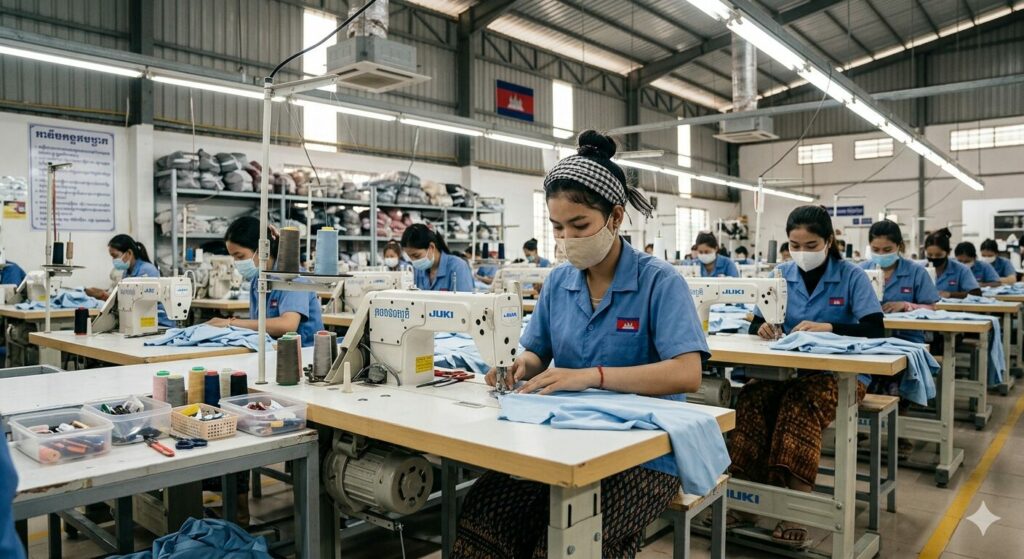
The numbers tell the story: according to a 2021 study by Cambodia’s National Institute of Social Affairs, 73% of older people rely on remittances sent by family members — money, but not presence. And half of all older Cambodians have no paying job of their own. (Source: UNDP Cambodia)
Even families living in the same city face the same problem. When both parents must work to pay rent, school fees, and daily expenses, there is simply no one available to provide consistent, attentive care for an aging grandparent or parent during the day.
People Are Living Longer — But That Brings New Challenges
Thanks to better healthcare and nutrition, Cambodians are living longer than previous generations. That is wonderful news. But a longer life can also mean more years with limited mobility, chronic illness, or cognitive decline.
Life expectancy is rising fast. Cambodians born in 2019 can expect to live into their late 60s — and babies born in 2050 are likely to reach their early or even mid-70s. (Source: HelpAge Asia) A longer life is a gift. But it also means more years when support and care may be needed.
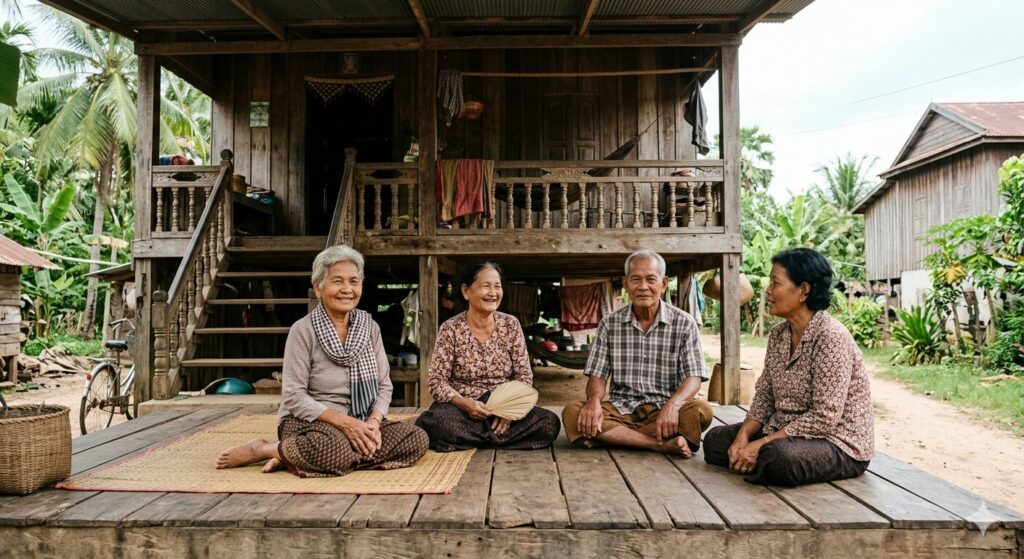
An elderly person living alone — or with only occasional family visits — faces real risks: falls, missed medications, poor nutrition, loneliness, and medical emergencies that go unnoticed for too long.
Living longer should mean living better. That is only possible with the right support.
Hospital Care Is Expensive. Home Care Is Not.
Many families only think about professional care when a crisis hits — a fall, a stroke, a sudden illness. By then, the costs are high: hospital stays, specialist visits, and emergency treatment can quickly become a serious financial burden.
Research confirms this: elderly households in Cambodia frequently face financial hardship due to high out-of-pocket health costs, which consume most of their savings. (Source: UNDP Cambodia) For many families, a single hospitalisation can wipe out years of careful saving.
Professional home care is a far more affordable option. A trained caregiver visiting regularly — or living in — can help prevent those emergencies from happening in the first place. Prevention is always cheaper than crisis.
A Trained Caregiver Is Not the Same as a Helper
Many families hire a maid or general household helper and assume that is enough. But caring for an elderly person with health needs requires specific skills: understanding medications, recognising warning signs, assisting with mobility safely, providing hygiene care with dignity, and knowing when to contact a doctor.
An untrained helper may be kind and willing — but they are not equipped for this. A professional caregiver brings training, experience, and accountability. The difference can be the difference between safety and serious harm.
The Number of Elderly Will Keep Growing — Fast
This is not a distant problem. It is already here — and accelerating.
According to Cambodia’s 2019 Population Census, there were already over 1.3 million elderly people in the country, making up 8.9% of the population. (Source: HelpAge Cambodia / Phnom Penh Post) That number is projected to reach 1.9 million by 2030 — and by 2050, the elderly could make up 21% of Cambodia’s entire population, or around 5 million people. (Sources: UNFPA Cambodia, UNDP Cambodia, Oxfam Cambodia)
HelpAge Cambodia has warned that Cambodia is on track to become an ageing society before it reaches high-income status — meaning the need for elderly care will grow faster than the country’s capacity to provide it through public systems alone.
The fastest-growing group is the “oldest old” — those over 80. These are the people most likely to need daily support and professional care. (Source: HelpAge Asia)
The families who plan ahead — who put care in place before a crisis — will be the ones who protect both their elderly loved ones and their own peace of mind.
You Love Your Parents. Let Us Help You Show It.
You may not be able to be there every day. But we can be.
Homecare Cambodia provides professional, compassionate home care for elderly and vulnerable people in Siem Reap — for both Cambodian and foreign families. Our caregivers are trained, reliable, and treat every client with the dignity they deserve.
📞 Get information now — by phone or Telegram:
015 529 224
We are happy to answer your questions, visit your home, and help you find the right care solution for your family.
Sources
- HelpAge Cambodia / Phnom Penh Post: phnompenhpost.com
- HelpAge Asia: ageingasia.org
- UNFPA Cambodia: cambodia.unfpa.org
- UNDP Cambodia: undp.org/cambodia
- Oxfam Cambodia: cambodia.oxfam.org
- National Institute of Social Affairs (NISA), Cambodia — via UNDP, 2021
Leave a Reply